

Buying Betta Fish from Thailand vs. US Sellers: The Honest Comparison

Over the past few years, we've seen a significant shift: more buyers in the USA, UK, and Europe are asking directly about ordering from Thailand rather than buying from a local or online US seller. This guide is our honest, unvarnished take on what's actually different — and when each option makes sense.
We run a Betta fish breeding farm in Thailand. We have a clear interest in you ordering from us. So let us be upfront about that — and then give you the real information anyway, because buyers who understand the difference will make the right choice for themselves.
The Two Paths Your Fish Can Take to Reach You
Before comparing anything else, it helps to understand what's physically different between ordering direct from a Thai farm versus buying from a US-based seller — whether that's a local fish store, a premium online retailer, or a well-regarded hobbyist reseller.
- Fish bred and raised at our farm in Thailand
- Health-checked and prepared for your specific order
- Government export certificate issued
- Air freight direct to your country
- Import customs handled by our team
- Delivered to your door
- Fish bred at a farm in Thailand (same origin)
- Exported in bulk to a US importer
- Held at importer or transshipper facility
- Sold to a US store or retailer
- Held in store tank or seller's facility
- Shipped or collected by you
One thing worth noting: both paths start at the same place — a farm in Thailand. Betta fish originate in Thailand, and virtually every premium Betta in the US market was born here. The question is how many stops it makes between the farm and your tank.
Champion Bloodline: What Actually Changes When a Fish Changes Hands
This is where the gap becomes most significant — and most misunderstood.
Thai breeding farms typically specialize. Our farm focuses on specific bloodlines — fish whose parents, grandparents, and lineage we know and have documented. When you order a Halfmoon Plakat or a Galaxy Koi Betta from us, we can tell you which breeding line it comes from, what generation it is, and what its parents looked like. That traceability is what Champion Bloodline actually means.
Champion Bloodline Betta · Bred & selected at our farm in Thailand
When fish are exported in bulk — as is necessary to make the economics of reselling work — that genetic traceability is largely lost. A US retailer buying 200 Bettas in a single shipment is buying variety and volume, not individual pedigree. The result is what the industry calls pet grade fish mixed in with higher-quality specimens, with no reliable way to tell which is which once they're in store tanks.
The issue isn't that resellers are dishonest. It's structural: individual genetic tracking is not compatible with bulk resale. You either know the lineage of every fish, or you don't — and at scale, you can't.
At our farm, we select the best-condition individual from that bloodline for your order before packing — not a random fish of that type. Because we're sending one fish on a direct journey to one buyer, that level of care is possible. At scale, it isn't.
The Health Question — Is Long-Distance Travel Actually the Problem?
The most common concern we hear: "Won't a fish from Thailand be stressed from all that travel?"
It's a reasonable question — and the honest answer might surprise you.
Here's what most buyers don't realize: a fish bought from a US seller has almost certainly already traveled from Thailand. The transit happened — it just happened weeks or months earlier, before the fish was placed in a store tank. When you buy from a US seller, you're getting a fish that has already been through international shipping, then held in commercial conditions, then shipped again to you.
The Stress Accumulation Problem
Every change of environment causes measurable stress in Betta fish. The relevant question is not "did this fish travel?" but "how many times has this fish been disrupted?"
- Direct from farm: Farm preparation → one international flight → your tank. Fish is prepared with a 24-hour fast, full water change, and double-bag packing by our team. It arrives in clean, conditioned water — ready to acclimate.
- Via US seller: Farm → bulk export packing → international flight → US importer facility → store or reseller tank → shipping to you. Each transition carries cumulative stress and disease exposure risk.
- Fish kept in small commercial tanks for extended periods — a necessity when managing high volumes — accumulate more health risk than fish traveling directly to a prepared home tank.
In our experience with tens of thousands of fish shipped over 30 years, a well-prepared fish on a direct journey often arrives in better condition than a fish that has been sitting in a store tank for weeks. The preparation before shipping matters more than the distance traveled.
"What You See Is What You Get" — And Why It's More Complicated Than It Sounds
Most premium Thai farms and reputable online sellers use some version of individual photo or video listings — showing you the exact fish available. The concept is sound. The execution varies significantly.
The key factors that affect whether what arrives matches what you saw:
- Age of the listing: A fish photographed months ago may look different today. Colors in Bettas shift with age and stress. A fish that looked competition-grade at 5 months may have dulled by the time it ships.
- Fin condition: Long-fin varieties like Halfmoon and Dumbo Ear are prone to fin-nipping — especially in smaller store containers. A fish held in a small jar can arrive with frayed fins that weren't visible in the listing photo.
- Photo accuracy: Some sellers use stock photographs of ideal specimens as general variety images, not photos of the actual fish being sold. This is common — and worth asking about before ordering.
Our approach: for Rare Grade listings, we photograph and video each individual fish. For standard variety listings, we use representative images and note this clearly. When a fish isn't in the condition we'd want to ship — whether due to age or health — we contact the buyer before shipping and offer a replacement or full refund. We'd rather tell you before the fish leaves Thailand than explain it after delivery.
The Honest Case for Buying from a US Seller
We promised to be honest, so here it is: there is one scenario where buying from a US-based source makes clear practical sense.
If you already have an established, cycled tank and you want a fish today — a local store or US-based online seller is the better choice.
Walk in, see the fish in person, assess its health yourself, and take it home the same day. For experienced hobbyists who know how to evaluate a fish in a store tank and have everything prepared, that immediate access is a genuine advantage. No waiting period, no transit concern, no scheduling around ship dates.
The honest comparison: The travel time between Thailand and the US is roughly the same whether you order direct from a farm or buy from a US seller who imported from Thailand. The fish will travel that distance either way. The difference is whether it acclimates at your home or at a commercial facility first.
The Waiting Period Nobody Talks About — and Why It's an Advantage
When you order directly from Thailand, there's a waiting period — typically 1 to 3 weeks from order confirmation to delivery, depending on the scheduled ship date. For most buyers, this lands somewhere between mildly inconvenient and completely irrelevant.
But for a certain kind of buyer — and we'd argue the right kind of buyer for a premium fish — that waiting period is genuinely valuable.
Preparing the perfect environment · Before your fish arrives from Thailand
The weeks between ordering and receiving a premium Betta are time you can spend preparing the right environment. Cycling your tank. Conditioning the water to the correct pH and temperature. Choosing the right plants and hardscape to replicate the natural blackwater habitat your fish came from. Reading about the specific variety you ordered — understanding its temperament, how it likes to be fed, what kind of flow it prefers.
A champion-bloodline fish placed into a mature, carefully prepared tank from day one will thrive in ways that the same fish dropped into an unprepared tank won't. The waiting period isn't a disadvantage — it's setup time. Buyers who use it well consistently report better outcomes, and most tell us the anticipation was part of the experience.
Price: What You're Actually Paying For
Direct-from-Thailand pricing can look expensive at first glance — particularly the shipping cost. Here's how to read the numbers correctly.
| Factor | Direct from Thai Farm | US-Based Seller |
|---|---|---|
| Fish price | Farm rate — typically lower for equivalent quality level | Marked up to cover import, storage, and handling costs |
| Shipping cost | $35–$65 flat — covers full import logistics, customs, express air | $15–$30 domestic, but absorbed into fish price uplift |
| Import duties | Fully included — nothing extra at delivery | Already absorbed by seller; you pay it indirectly |
| Fish age at arrival | Direct from farm — young, in active development stage | Unknown — weeks or months in store conditions already |
| Genetic traceability | Full lineage documented — champion bloodline verifiable | Variety only — breeding lineage typically unknown |
| Guarantee | Live arrival + full refund for DOA or pre-ship health issue | Varies by seller — rarely covers condition before shipment |
Total cost comparison · Champion-grade fish · Direct from Thailand
The shipping cost of $35–$65 includes government health certification in Thailand, export documentation, air freight, US import customs clearance, and domestic delivery. When you compare total cost for a fish of equivalent quality — genuine show-quality or champion-bloodline, not pet-grade stock — ordering direct from the source is often comparable or lower in total spend.
For breeders in particular: a pure Thai bloodline fish from a verifiable champion line has significantly higher breeding value than an equivalent-looking fish of unknown lineage. If you're planning to breed, the premium pays forward. Offspring from documented champion lines are trackable, have higher value, and transfer their traits reliably — something you simply can't replicate with unknown-origin stock.
What to Ask Before Ordering from Any Thailand Farm
If you're buying from a Thai farm — ours or anyone else's — these are the questions worth asking before you place an order.
Buyer Verification Checklist
- Can they provide a Thai government-issued health certificate for the fish? This is required for legal export and confirms disease clearance.
- Do they handle import customs on your behalf, or do you need to arrange your own transshipper?
- Is the listing photo or video of the actual fish being sold, or a representative variety image?
- What is their DOA policy — and does it require an unboxing video (industry standard) or just photos?
- What happens if the fish they planned to ship is in poor condition before it departs?
- Can they tell you the bloodline, breeding generation, and parent fish of what you're buying?
A reputable farm will have clear answers to all of these. Vague responses to the health certificate or customs handling questions are worth pausing on — these are the two areas where buyers most commonly encounter problems with less-established sellers.
The Honest Summary
Buying from a US-based seller makes sense if you want a fish immediately and already have a prepared tank. For same-day access and the ability to see the fish in person, a local store or domestic online seller has a clear practical advantage.
Buying direct from a Thai farm makes sense if you care about genetic lineage, champion bloodline verification, fish age and health at origin, and long-term value — whether for display, collection, or breeding. The waiting period is real but manageable. The difference in what you receive is also real.
The Betta fish market in the US has evolved significantly. Buyers who have ordered from premium Thai farms once rarely go back to domestic resellers for their serious fish — not because they're loyal, but because they've experienced the difference firsthand. That's the most honest thing we can say.
Ready to experience champion-bloodline Betta fish shipped directly from our farm in Thailand — with full genetics documentation, live arrival guarantee, and customs handled end-to-end?
View Our Current Collection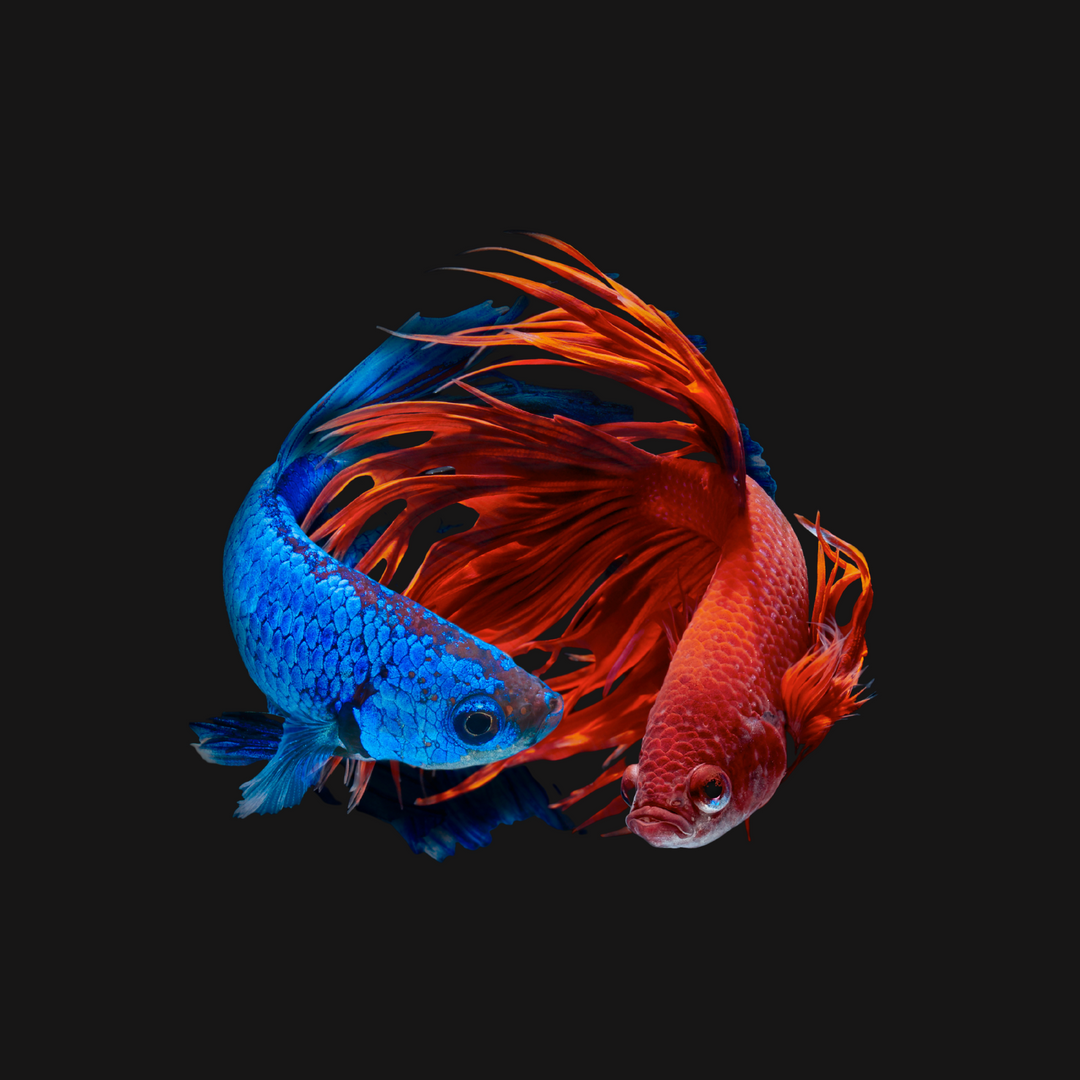

Leave a comment